Understanding the Importance of SEO in Washington

In today's highly competitive online landscape, businesses operating in Washington must prioritize search engine optimization (SEO) to establish a robust digital presence. State-specific and local SEO strategies are essential to targeting Washington's diverse markets, ranging from bustling urban centers like Seattle and Spokane to smaller towns seeking visibility. With the right approach, Washington-based businesses can attract more local customers, outrank competitors, and generate sustainable growth. WashingtonSEO.ai exemplifies this focus by leveraging advanced, data-driven SEO techniques tailored explicitly for Washington's unique market dynamics.
Understanding why SEO is critical for Washington businesses starts with recognizing the state's economic diversity. Washington boasts a thriving tech industry centered around Seattle's Silicon Forest, a vibrant tourism sector, a robust manufacturing base, and a flourishing agricultural scene. Each of these sectors benefits from targeted SEO strategies that focus on local intent. For instance, a tech firm in Bellevue would utilize localized keywords such as "Seattle-area software development" or "Washington cloud solutions" to attract relevant leads. Meanwhile, a vineyard in Wenatchee would focus on "Washington wine tours" and other geo-specific search terms to connect with prospective tourists.
Data shows that the majority of consumers turn to search engines when making local purchasing decisions. According to recent studies, over 70% of consumers prefer to browse local businesses online before visiting or making purchases. This trend underscores the importance of comprehensive SEO practices that encompass local optimization, on-page relevance, and authoritative link-building within Washington's digital ecosystem.
Why Local SEO Matters for Washington-Based Businesses
Local SEO differs significantly from broader organic strategies due to its focus on geographic relevance. For Washington businesses, this means optimizing for search queries that incorporate specific city or regional terms, such as "Seattle pizza restaurants" or "Spokane auto repair shops." The advantage of this approach is clear: local SEO helps businesses appear in map packs and local pack results, which are prominently featured on Google's first page.
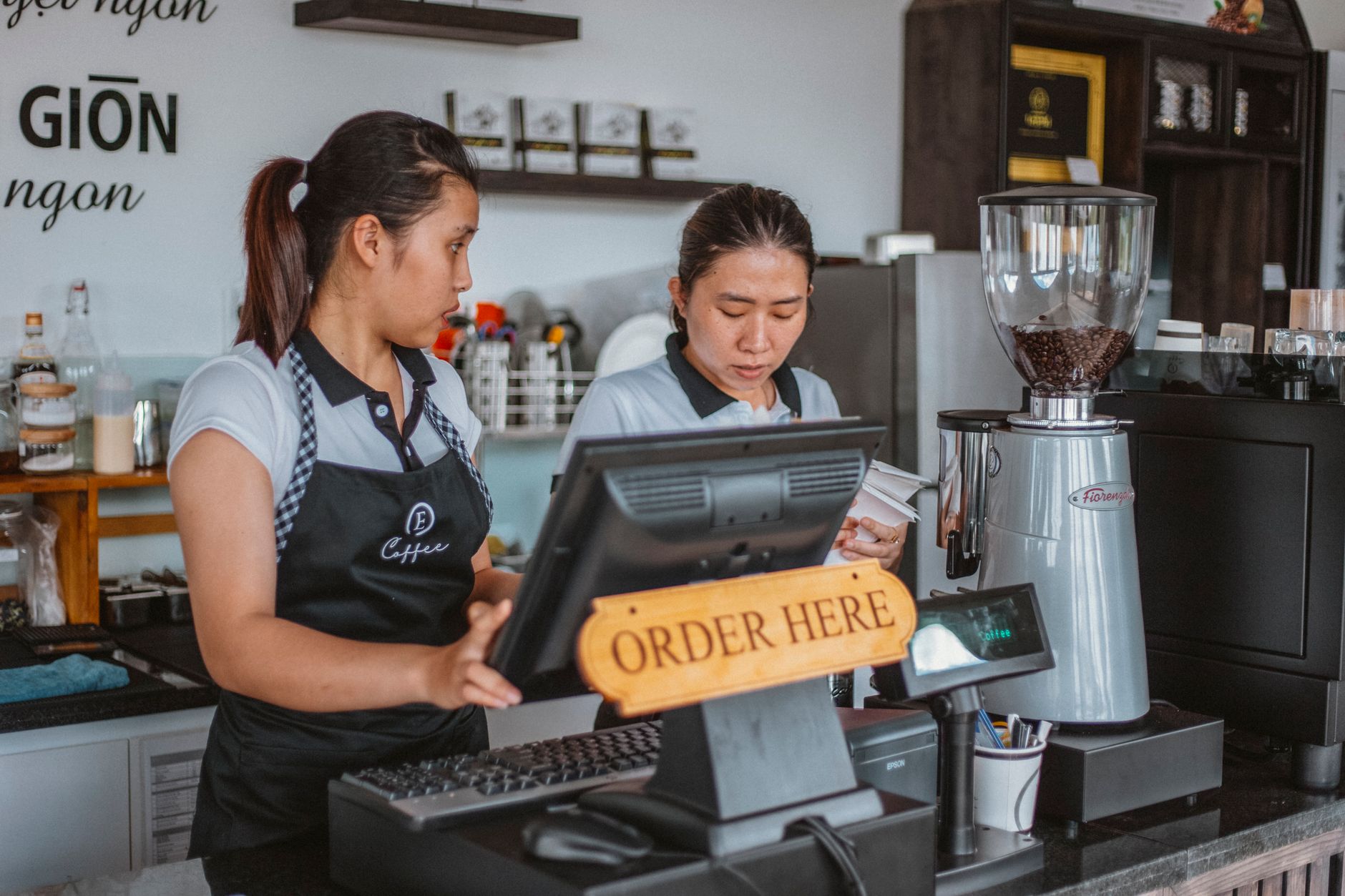
Implementing effective local SEO involves optimizing several key components: claiming and optimizing Google My Business profiles, building local citations, encouraging online reviews, and creating locally relevant content that resonates with the community.
Implementing effective local SEO involves optimizing several key components:
- Claiming and optimizing Google My Business profiles to ensure accuracy and completeness.
- Building local citations across reputable directories and review sites specific to Washington regions.
- Encouraging and managing online reviews from Washington-based customers to enhance credibility.
- Creating locally relevant content that resonates with the community.
For instance, a Washington-based law firm can publish blog posts detailing recent legal changes within the state, share case studies from local clients, and participate in community events to boost local engagement and authority.
In integrating SEO into their marketing plans, Washington businesses must consider the evolving search engine algorithms that increasingly prioritize user intent, relevance, and engagement. Google's focus on providing the most pertinent local results means that maintaining up-to-date listings, producing quality localized content, and fostering positive online reputation are vital components.

Effective Keyword Research in Washington's Digital Markets
Conducting thorough keyword research is foundational in any successful Washington SEO campaign. Given the diverse economic landscape, from Seattle's technology hubs to Spokane's manufacturing sectors, identifying high-value, locally relevant keywords ensures that your business reaches the most receptive audiences. Leveraging advanced keyword tools and market insights, SEO professionals focus on uncovering search terms that reflect actual user intent and local search behaviors.

In Washington, keyword research involves analyzing both broad and geo-specific search queries. For example, a commercial cleaning service in Tacoma might target keywords like "Tacoma commercial cleaning" or "office cleaning services in Washington." These geo-modifiers not only boost local visibility but also filter out non-relevant traffic, ensuring leads are geographically qualified.
In addition to primary keywords, secondary and long-tail phrases tend to have less competition but high conversion potential. Examples include specific service descriptions, neighborhood names, or industry-specific terms. For a vineyard in Walla Walla, phrases like "Walla Walla wine tasting" or "Washington wine tours" are invaluable for targeting vacationers and wine enthusiasts.
Understanding seasonal and regional variations is critical. During harvest season, wine-related searches surge, requiring tailored content and keywords. Similarly, targeting keywords related to local events or festivals increases relevance and engagement with the community.
Proper keyword research sets a strategic direction for on-page optimization and content development. It informs the creation of localized landing pages, blog topics, and service pages tailored explicitly for Washington's diverse communities.
Keyword Strategy Comparison: Broad vs. Local
| Aspect | Broad Keywords | Local/Geo Keywords |
|---|---|---|
| Competition | Very High | Moderate to Low |
| Search Volume | High | Lower but targeted |
| Conversion Rate | Lower (1-3%) | Higher (5-15%) |
| Cost per Click | $3-$15 | $1-$8 |
| User Intent | Informational | Transactional/Local |
| Example | "SEO services" | "Seattle SEO agency" |
| Best For | Brand awareness | Lead generation |
On-Page Optimization for Washington SEO Success
Once your keywords are identified, integrating them effectively into your website's on-page elements is crucial. On-page SEO involves optimizing various elements to communicate relevance to search engines while providing an engaging user experience. For businesses in Washington, this includes local-specific content, geo-modified meta tags, and structured data that enhance search visibility.

Title tags and meta descriptions should incorporate your primary keywords along with geographic markers. For example, a Spokane-based landscaping firm would craft a title like "Spokane Landscaping Services | Washington Lawn Care Experts." Such specificity improves click-through rates and helps search engines understand your page's context.
Headers, URLs, and internal links must also reflect local keywords, creating a cohesive signal that your site is relevant to Washington-based searches. Content should focus on locally relevant topics, incorporate community-specific keywords naturally, and include case studies or testimonials from Washington clients.
Structured data markup, such as LocalBusiness schema, enhances your presence in Google's local packs and map features. By marking up addresses, phone numbers, operating hours, and reviews, your business becomes more discoverable to users seeking immediate local services.
Implementing these on-page strategies often goes hand-in-hand with technical SEO improvements, ensuring your website remains fast, mobile-friendly, and accessible, factors increasingly prioritized by search engines in local search rankings.
Leveraging Local Link Building to Boost Washington Visibility

In Washington's competitive markets, acquiring backlinks from reputable local sources can significantly elevate your site's authority. Local link building demonstrates to search engines that your website is valued by the community and industry peers, translating into higher rankings and increased local visibility.
Strategies for effective local link building include collaborating with community organizations, sponsoring local events, and participating in Washington-specific industry directories. Engaging with local media outlets by sharing newsworthy stories or expert insights can also earn valuable backlinks. Additionally, developing partnerships with other Washington-based businesses creates reciprocal link opportunities that benefit all parties involved.
Content marketing plays a pivotal role here. Creating high-quality, locally relevant content, such as blog posts about Washington's economic trends or guides to regional attractions, encourages organic sharing and earns backlinks naturally. For example, a Washington-based hotel might publish a guide to local wineries, attracting links from tourism sites, bloggers, and travel forums.

High-authority local citations and mentions bolster your domain authority, but it is vital that all listings are accurate and consistent across platforms to prevent confusion and maintain trustworthiness.
Routine backlink audits and a strict adherence to white-hat strategies safeguard your digital reputation. Acquiring low-quality or spammy links can negatively impact your site's authority. Build relationships with high-authority Washington publications and industry leaders.
Addressing Technical SEO Challenges Unique to Washington Websites
Technical SEO ensures that your website's infrastructure is optimized for search engine crawling and user experience. For Washington businesses, this entails addressing challenges such as site speed on local hosting servers, mobile responsiveness for users on-the-go, and incorporating structured data enriched with local information.

Core Technical SEO Elements
- Site Speed Optimization: Optimizing images, minifying code, enabling browser caching, and utilizing CDNs is essential for Washington businesses in competitive urban centers.
- Mobile Responsiveness: With a high percentage of local searches originating from mobile devices, ensuring fully responsive websites is non-negotiable.
- Structured Data Markup: Implementing LocalBusiness schema helps search engines understand location, hours, and services.
- Crawlability and Indexing: Regular technical audits identify crawl errors, duplicate content, and broken links.
- Security and HTTPS: SSL certificates and up-to-date security protocols are essential for trust and rankings.

Site speed is particularly important in areas with slower internet connectivity. Optimizing images, leveraging browser caching, and minimizing code bloat ensure pages load swiftly, reducing bounce rates and improving rankings.
Tools like Google Search Console and Lighthouse are essential in diagnosing and resolving technical SEO issues specific to Washington-based websites, ensuring your site remains in top condition for local rankings.
Advanced Strategies: Optimizing for Washington's Unique Search Environment
Washington's digital landscape presents distinct challenges and opportunities, requiring SEO strategies that are finely tuned to regional nuances. Unlike more homogeneous markets, the state's economic heterogeneity demands a localized approach that considers both geographic and industry-specific factors. Urban centers such as Seattle and Bellevue are hotspots for tech, finance, and professional services, where competitive keywords are highly saturated.

Integrating Local Insights into SEO Campaigns
Deep insights into Washington's demographics, popular search queries, and cultural touchpoints enhance campaign relevance. Aligning SEO content with regional events, industry conferences, or seasonal trends can significantly improve visibility among targeted audiences.

Implementing a holistic SEO strategy for Washington firms necessitates harmonizing technical, content, and off-site efforts with local market insights. Tools like Google My Business and local citation platforms are indispensable for reinforcing your local presence. Ensuring consistency in NAP (Name, Address, Phone Number) data across all directories builds trustworthiness and improves local pack rankings.
Washington SEO Campaign Timeline
Phase 1: Discovery & Audit (Weeks 1-2)
Comprehensive technical audit, competitor analysis, and keyword research specific to Washington markets.
Phase 2: On-Page Optimization (Weeks 3-6)
Implement geo-modified meta tags, structured data markup, content optimization, and local landing pages.
Phase 3: Local Authority Building (Weeks 7-12)
Strategic local link building, citation management, Google My Business optimization, and review campaigns.
Phase 4: Content & Engagement (Ongoing)
Regular content publication, community engagement, seasonal campaigns, and continuous optimization.
Phase 5: Scale & Dominate (Month 4+)
Expand to additional Washington markets, refine strategies, and maintain competitive advantage.
Optimizing Content for Washington's Local Audiences
Creating compelling, locally tailored content remains a cornerstone of effective Washington SEO. Content strategies should center around regional interests, community events, and industries prevalent in different areas. For example, a Spokane-based outdoor gear retailer could develop guides on local hiking trails, outdoor events, and seasonal activities that resonate with regional audiences.

Consistent blog posting, industry news, and community involvement stories foster ongoing user interactions, encouraging backlinks and social shares from local sources.
Encourage satisfied Washington clients to review your services and share testimonials. User-generated content enriches reputation management and fuels fresh content. Social proof impacts local search rankings and builds trust.

High-quality backlinks from reputable Washington-based sources significantly influence search engine rankings. Strategies such as sponsoring regional events, partnering with local chambers of commerce, and participating in industry-specific gatherings contribute to acquiring relevant backlinks.
Tracking Performance and Refining Your Washington SEO Strategy
Ongoing measurement of SEO performance is vital to refine tactics and achieve long-term success. Setting clear KPIs, such as local search rankings, organic traffic from Washington, and conversions, allows businesses to evaluate the effectiveness of their strategies.
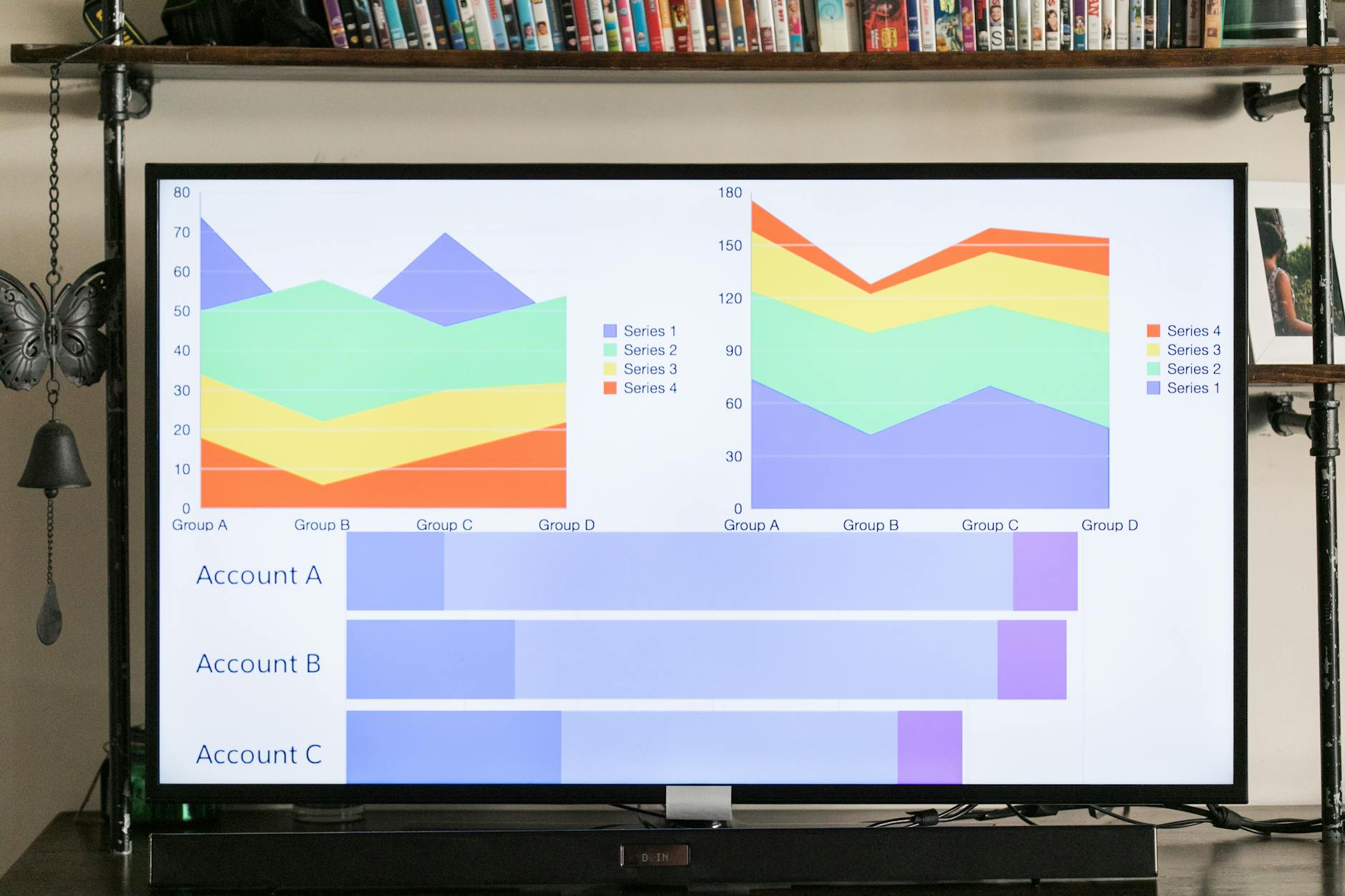
Regularly reviewing this data helps identify opportunities for optimization, whether through new content, technical improvements, or backlink acquisition.

A/B testing landing pages targeted at different Washington locales, reviewing engagement metrics, and analyzing user flow help refine content and technical strategies. Regular reporting on KPIs such as local lead generation, review acquisition, and Google My Business insights ensures a data-driven approach.
Regular technical audits, competitor benchmarking, and content performance reviews ensure your tactics stay aligned with evolving search engine algorithms and local market conditions. Transparency in reporting builds trust and enables informed decision-making.
Tools and Technologies Supporting Washington SEO
WashingtonSEO.ai employs a suite of advanced tools specifically customized for local SEO success. Platforms like Google Search Console and Screaming Frog enable detailed crawling and issue diagnosis. PageSpeed Insights and Lighthouse assess website performance, providing actionable recommendations.
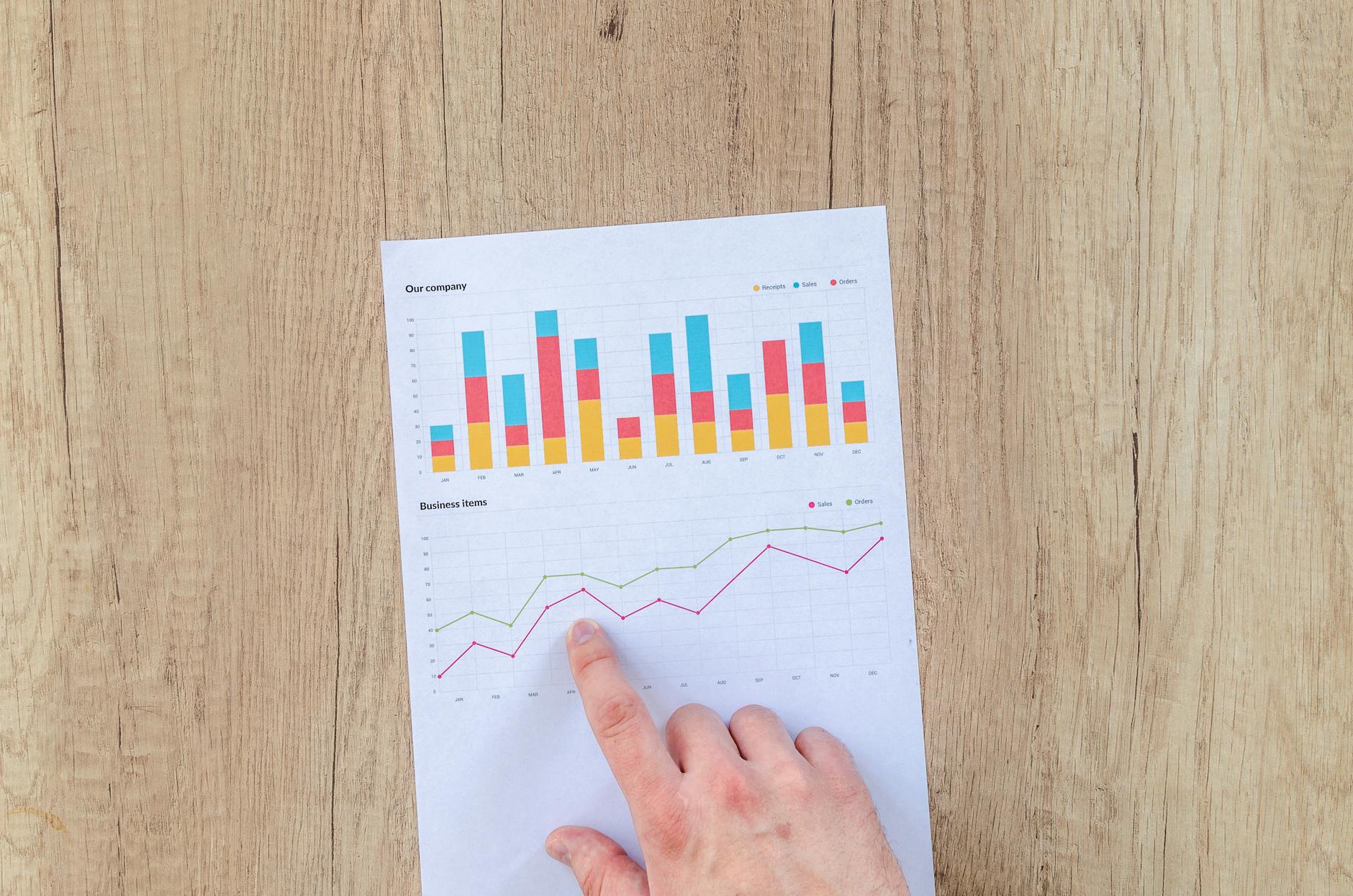
Local SEO tools such as BrightLocal or Whitespark help manage citations, reviews, and local ranking tracking. Automated monitoring solutions facilitate continuous health checks and alert businesses to technical anomalies. AI-powered tools are increasingly enhancing technical SEO workflows, identifying patterns, automating routine tasks, and streamlining site audits.

Implementing a holistic, locally focused strategy requires consistent effort but yields sizable SEO dividends. With WashingtonSEO.ai as a partner, businesses can leverage expertise to develop scalable campaigns rooted in authentic community ties, local relevance, and industry authority.
Building a Resilient Technical Foundation
For Washington businesses aiming to establish authority and sustain growth in local markets, technical SEO cannot be an afterthought. It is the foundation upon which all other SEO activities are built. Partnering with dedicated agencies like WashingtonSEO.ai ensures your website adheres to best practices and continuously improves performance.

Frequently Asked Questions
What makes Washington SEO different from national SEO?
Washington SEO focuses on geographic-specific optimization including local keywords, Google My Business optimization, local citations, and community engagement. It targets users searching for services in specific Washington cities and regions, utilizing geo-modified keywords and local schema markup to improve visibility in map packs and local search results.
How long does it take to see results from Washington SEO?
Most Washington businesses begin seeing measurable improvements within 3-6 months. Local SEO changes like Google My Business optimization can show results within weeks, while competitive keyword rankings typically take 4-8 months. Consistent effort yields compounding results over time.
What is the most important local SEO factor for Washington businesses?
Google My Business optimization is arguably the single most impactful local SEO factor. A complete, accurate, and actively managed GMB profile with regular posts, reviews, and updated information significantly boosts visibility in local packs.
How much should a Washington business invest in SEO?
Investment varies by business size and competition. Small local businesses might invest $500-$2,000/month, while businesses in competitive sectors like Seattle tech or legal services may need $3,000-$10,000/month. SEO should be viewed as a long-term investment with compounding returns.
Should Washington businesses focus on mobile or desktop SEO?
Mobile-first is essential. Over 60% of local searches come from mobile devices, and Google uses mobile-first indexing. Prioritize mobile responsiveness, fast loading times, and mobile-friendly content layouts.
How do I track my Washington SEO performance?
Use Google Search Console for search visibility, Google Analytics for traffic analysis, and tools like BrightLocal or Whitespark for local ranking tracking. Monitor local search rankings, organic traffic from Washington, GMB insights, review counts, and conversion rates.
What role do reviews play in Washington local SEO?
Online reviews are a significant ranking factor. They influence both search rankings and consumer trust. Actively soliciting reviews, responding professionally, and maintaining high ratings across Google, Yelp, and industry sites significantly impacts local visibility.
Can AI tools help with Washington SEO?
Yes, AI-powered tools help with keyword research, content optimization, technical audits, and competitor analysis. WashingtonSEO.ai leverages AI-driven insights to identify patterns, automate routine tasks, and streamline site audits for more strategic focus.
Key Takeaways
- Washington's diverse economy requires tailored, geo-specific SEO strategies that address different markets from Seattle's tech hub to rural tourism destinations.
- Local SEO, including Google My Business optimization and consistent NAP data, is the foundation for visibility in Washington's competitive search landscape.
- Keyword research should focus on long-tail, geo-modified phrases that reflect actual Washington user intent and seasonal search patterns.
- On-page optimization with structured data markup (LocalBusiness schema) significantly enhances local pack visibility and click-through rates.
- Quality local link building through community engagement, partnerships, and region-specific content earns authentic backlinks that boost authority.
- Technical SEO, including site speed, mobile responsiveness, and HTTPS, forms the backbone of all successful Washington SEO campaigns.
- Continuous monitoring, data-driven adjustments, and leveraging AI-powered tools ensure sustainable growth in Washington's evolving digital ecosystem.
